Dental emergencies rarely happen at a convenient time. A fall during a weekend game, an unexpected accident at work, or a sudden injury at home can leave you dealing with pain, bleeding, or a damaged tooth when you least expect it. Knowing how to respond in the first few minutes can make a meaningful difference in comfort, healing, and long-term outcomes.
As an oral surgeon in Athens, GA, Athens Oral Surgery Center regularly treats patients who experience dental and facial emergencies. While professional care is essential, the actions you take before you arrive at a dental or surgical office often play an important role in protecting your oral health.
Staying Calm and Acting Quickly During a Dental Emergency
The first step in any dental emergency is staying as calm as possible. Panic can make it harder to assess the situation clearly or take helpful action. If bleeding or pain is present, addressing those concerns promptly helps prevent complications.
If you are unsure whether an injury qualifies as an emergency, it is generally safer to treat it as one and contact a dental professional for guidance. Severe pain, bleeding that does not stop, visible damage to teeth or implants, or trauma to the face or jaw all warrant prompt evaluation.
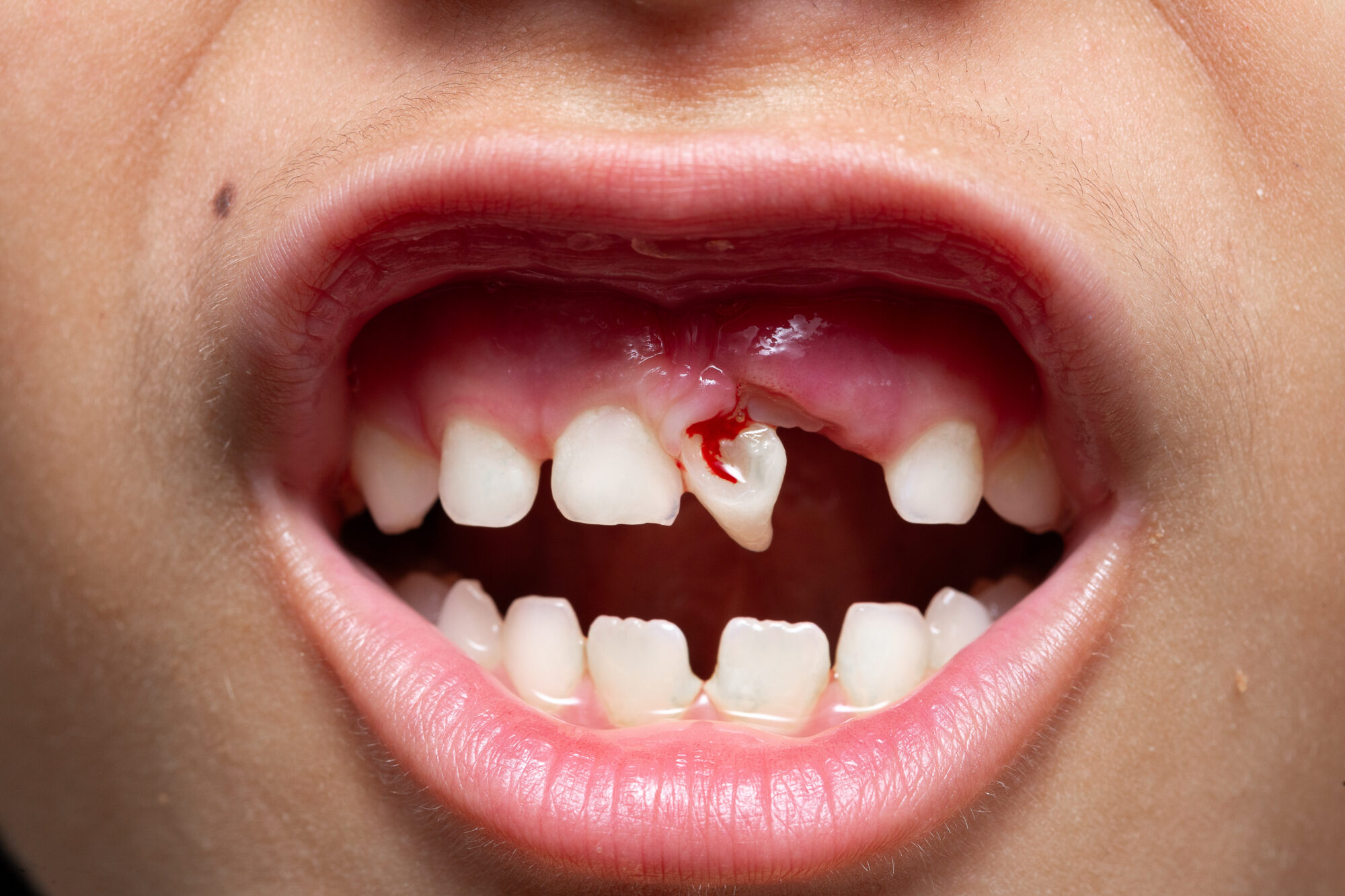
What to Do If a Tooth Is Knocked Out
A knocked-out tooth, also called an avulsed tooth, is one of the most time-sensitive dental emergencies. Acting quickly improves the chances that the tooth can be saved.
If a permanent tooth is knocked out, locate it immediately. Pick it up by the crown (the chewing surface) rather than the root. Touching the root can damage delicate tissue cells that are necessary for successful reattachment.
If the tooth is dirty, gently rinse it with clean water for a few seconds. Scrubbing the tooth or using soap or disinfectants can cause damage and should be avoided.
If possible, try to place the tooth back into the socket. Hold it gently in place by biting down on clean gauze or a soft cloth. If reinsertion is not possible, store the tooth in milk, saline solution, or inside the cheek to keep it moist. Dry storage significantly lowers the chances of saving the tooth.
Contact an oral surgeon in Athens, GA immediately and seek care as soon as possible. Reimplantation is most successful when performed within a short window of time.
Responding to a Cracked or Chipped Tooth
Cracked or chipped teeth vary in severity. Some injuries involve only the enamel, while others extend deeper into the tooth structure and may expose sensitive tissue.
If a tooth is cracked or chipped, rinse the mouth gently with warm water to remove debris. If swelling is present, a cold compress applied to the outside of the face can help reduce inflammation and discomfort.
Avoid chewing on the affected side and refrain from biting hard foods until the tooth has been evaluated. Over-the-counter pain relievers may help manage discomfort, but aspirin should not be placed directly on the tooth or gums.
Save any broken pieces of the tooth if possible and bring them to your appointment. Prompt evaluation allows a dental professional to determine whether the tooth can be repaired or whether surgical treatment is needed.
Managing a Broken or Dislodged Dental Implant or Appliance
Dental implants, crowns, bridges, and orthodontic appliances are designed to be durable, but trauma can still cause damage. When an implant crown or appliance becomes loose, broken, or dislodged, professional evaluation is important.
If a crown or appliance comes out, avoid attempting to glue it back in place with household adhesives. These products can damage oral tissues and complicate professional repair.
Rinse the mouth gently and store the dislodged component in a clean container. If sharp edges are present and causing irritation, dental wax may help protect soft tissues temporarily.
Contact your oral surgeon for guidance. Damage to implants or appliances requires careful assessment to protect the underlying structures and ensure proper repair.
How to Handle Severe Tooth Pain or Swelling
Sudden or intense tooth pain often signals an underlying problem such as infection, abscess, or trauma. Swelling of the gums, face, or jaw can indicate the spread of infection and should be taken seriously.
Rinsing gently with warm salt water may help reduce bacteria and soothe irritated tissues. Applying a cold compress to the outside of the face can help manage swelling.
Pain medications can provide temporary relief, but they do not address the underlying cause. Increasing pain, visible swelling, fever, or difficulty opening the mouth are all signs that prompt evaluation is needed.
An oral surgeon in Athens, GA can assess the source of pain and determine whether surgical intervention, drainage, or other treatment is necessary.
Bleeding That Does Not Stop After an Injury
Bleeding is common after dental trauma, but bleeding that continues for an extended period requires attention.
Apply gentle pressure with clean gauze to the bleeding area for at least ten to fifteen minutes without checking constantly. Releasing pressure too soon can prevent clot formation.
If bleeding continues despite sustained pressure, or if it is heavy, contact an oral surgery office or seek emergency care. Excessive bleeding may indicate deeper injury that requires professional treatment.
Jaw Injuries and Facial Trauma
Injuries involving the jaw or face often extend beyond teeth alone. Difficulty opening or closing the mouth, changes in bite alignment, numbness, or severe pain can suggest jaw fractures or dislocations.
Stabilize the jaw by limiting movement and applying a cold compress to reduce swelling. Avoid attempting to realign the jaw on your own.
Facial trauma should be evaluated promptly by a provider trained in oral and maxillofacial care. Oral surgeons have specialized expertise in diagnosing and treating injuries that affect both function and appearance.
Knowing When to Seek Immediate Care
Some dental situations require same-day evaluation. These include knocked-out teeth, severe pain or swelling, facial trauma, uncontrolled bleeding, and signs of infection such as fever or spreading swelling.
When in doubt, contacting a dental professional for guidance helps determine the appropriate next step. Early evaluation often leads to simpler treatment and improved outcomes.
How an Oral Surgeon Supports Dental Emergency Care
Oral surgeons receive advanced training in managing complex dental and facial emergencies. Their experience includes treating trauma, infections, implant complications, and surgical extractions in urgent situations.
Access to advanced imaging, surgical facilities, and sedation options allows oral surgeons to provide comprehensive care when emergencies arise. This level of preparation supports accurate diagnosis and timely treatment.
Preparing for the Unexpected
While emergencies cannot always be prevented, preparation helps. Keeping emergency contact numbers accessible, knowing where to seek care after hours, and understanding basic first steps can reduce stress during an unexpected situation.
Athens Oral Surgery Center is committed to providing expert guidance and care when dental emergencies occur. If you or a loved one experiences a dental injury or urgent oral health concern, reaching out to an experienced oral surgeon in Athens, GA ensures that your care is guided by specialized training, thoughtful evaluation, and a focus on long-term health and healing.
Knowing what to do during a dental emergency allows you to act with confidence when it matters most.
Call Athens Oral Surgery Center and Learn How We Can Help You
If your dental emergency requires more in-depth services than your family dentist can provide, we’re ready to step in and put your smile back in order. Please contact our experienced team today at 706-549-5033 to find out how we can help.
Related Articles: