When wisdom teeth begin to emerge, many people are surprised by the discomfort and disruption they can cause, such as pain, swelling, infection, and pressure on nearby teeth. For some patients, wisdom teeth erupt normally and never require treatment. For many others, extraction becomes the best option for protecting long-term oral health.
If you have been told your wisdom teeth should be removed, you may wonder who should perform the procedure. General dentists play a crucial role in maintaining oral health, diagnosing oral health issues, and providing preventive and restorative care. However, when wisdom teeth are impacted, positioned near nerves, or expected to require surgical removal, many patients benefit from consulting an oral surgeon in Athens, GA who has specialized training in these procedures.
Understanding what oral surgeons do and how their training and facilities support wisdom tooth extraction can help you feel more confident about your decision.
Understanding the Complexity of Wisdom Teeth Removal
Wisdom teeth are the third molars, and they are usually the last teeth to develop. They often emerge during the late teenage years or early adulthood, a time when the jaw may no longer have enough space to accommodate them comfortably.
In some cases, wisdom teeth remain trapped beneath the gum or bone. In others, they partially erupt, creating openings where bacteria can collect. Teeth may grow at an angle, press against neighboring molars, or sit close to critical structures such as nerves and sinuses.
Due to these variables, wisdom tooth extraction is not always a straightforward procedure. Each case requires careful evaluation, imaging, and planning to minimize complications and support proper healing. This care is where the focused training of an oral surgeon becomes especially valuable.
Specialized Surgical Training Focused on the Jaw and Facial Structures
An oral and maxillofacial surgeon completes dental school and then continues with several additional years of hospital-based surgical training. This advanced education focuses specifically on the mouth, jaw, face, and related anatomical structures.
Wisdom tooth extraction is a core part of this training. Oral surgeons regularly manage impacted teeth, complex extractions, and cases involving proximity to nerves or other sensitive areas. Their experience encompasses both routine extractions and situations that necessitate surgical access to teeth that cannot be reached through standard extraction techniques.
This background enables an oral surgeon in Athens, GA, to anticipate challenges before the procedure begins and to adjust techniques in real-time if unexpected findings arise during surgery.
Advanced Imaging and Surgical Planning
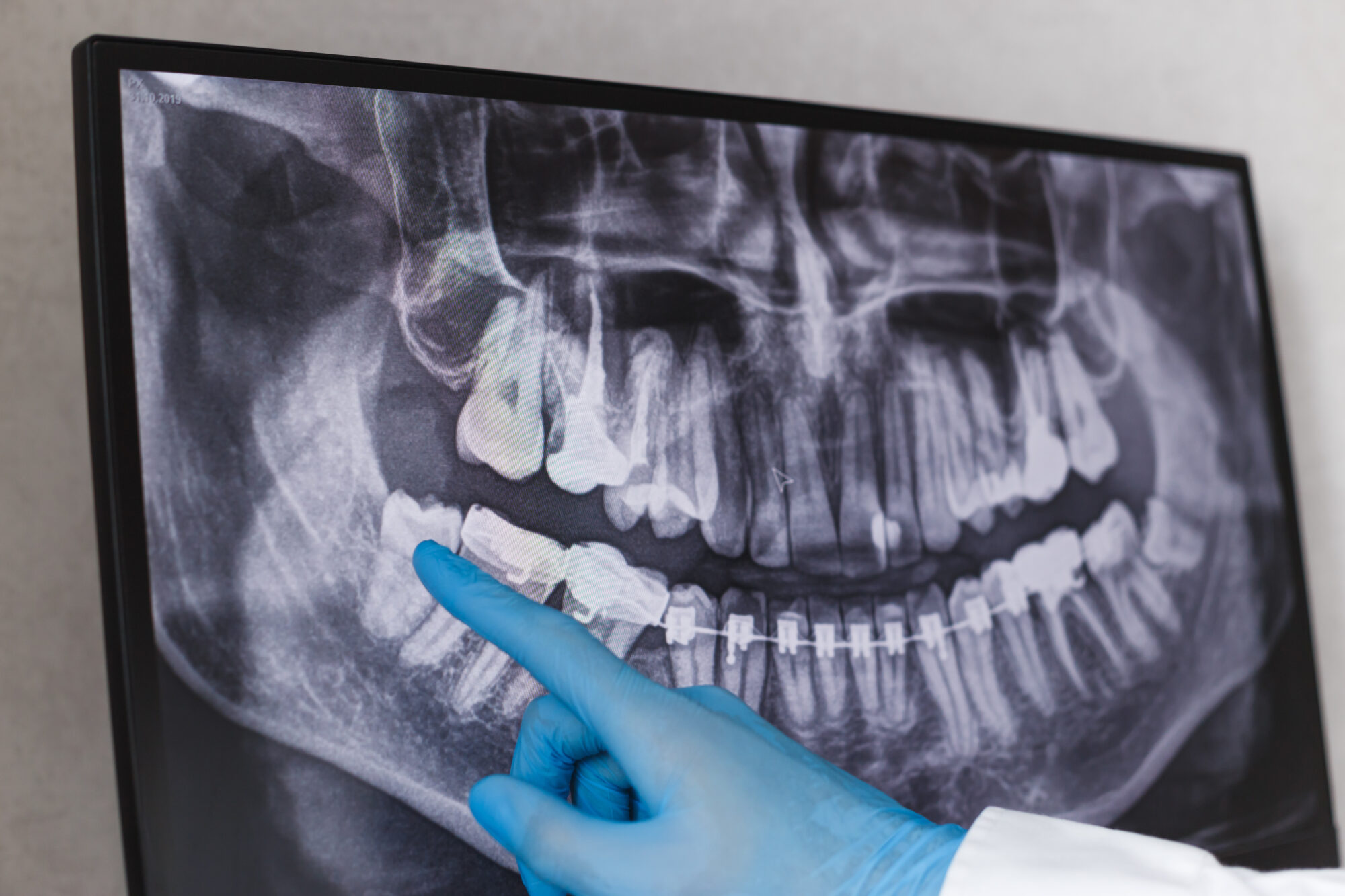
Accurate diagnosis and planning are essential for safe wisdom tooth removal. Oral surgeons rely on advanced imaging, including panoramic X-rays and three-dimensional scans, to visualize the exact position of wisdom teeth and their relationship to surrounding structures.
These images help determine whether a tooth is impacted, how deep it lies within the bone, and whether it is close to nerves or sinus cavities. With this information, the surgeon can plan the safest approach for removal and discuss expectations clearly with the patient before the procedure.
This level of planning reduces uncertainty and supports smoother surgery and recovery.
A Surgical Environment Designed for Safety and Comfort
Wisdom tooth extraction is a surgical procedure, even when it is straightforward. Oral surgery offices are specifically designed to support surgical care, featuring equipment, monitoring systems, and trained staff dedicated to ensuring patient safety.
Oral surgeons and their teams are experienced in maintaining sterile technique, monitoring vital signs, and responding promptly if a patient requires additional support during or after the procedure. This environment enables patients to receive care in a fully prepared setting for surgical treatment.
For patients who feel anxious about surgery, this structured and supportive environment can provide reassurance.
Sedation and Anesthesia Options Tailored to Each Patient
One of the most important differences patients notice when working with an oral surgeon is the range of sedation options available. Oral surgeons receive extensive training in anesthesia and sedation as part of their specialty education.
Depending on the complexity of the extraction and the patient’s comfort level, an oral surgeon in Athens, GA, may offer local anesthesia, oral sedation, intravenous sedation, or general anesthesia. These options allow care to be customized to the patient’s medical history, anxiety level, and surgical needs.
For many patients, sedation helps make the experience more comfortable and less stressful. It can also allow the surgeon to work efficiently and precisely, especially when multiple wisdom teeth are being removed during the same visit.
Experience With Managing Potential Complications
While wisdom tooth extraction is a very common procedure, every surgical procedure carries some degree of risk. Swelling, bleeding, dry socket, and infection are known possibilities, particularly with impacted teeth.
Oral surgeons are trained to recognize risk factors early and take steps to reduce the likelihood of complications. When issues do arise, they are equipped to address them promptly and effectively.
This experience extends beyond the day of surgery. Oral surgeons provide detailed post-operative instructions and are available to evaluate healing and address concerns during recovery. Patients benefit from continuity of care that focuses on both immediate comfort and long-term outcomes.
Efficient Care for Multiple or Impacted Wisdom Teeth
Many patients require removal of all four wisdom teeth at once. Others may have teeth that are deeply impacted or positioned in ways that require surgical access through the gum and bone.
Oral surgeons routinely manage these scenarios. Their familiarity with efficient surgical techniques helps limit tissue disruption and supports predictable healing. This familiarity can be invaluable for patients who prefer to complete treatment in a single visit rather than over multiple appointments.
By addressing all necessary extractions simultaneously, patients often experience a single recovery period rather than repeated healing cycles.
Collaboration With Your General Dentist
Choosing an oral surgeon does not replace the role of your general dentist. Instead, it reflects a collaborative approach to care. Dentists often identify the need for wisdom tooth evaluation and refer patients when surgical expertise is appropriate.
After extraction and healing, patients return to their dentist for routine care and ongoing oral health maintenance. This partnership allows each provider to focus on their area of expertise, ensuring patients receive comprehensive care at every stage.
Clear Communication and Patient Education
A defining feature of high-quality oral surgery care is clear communication. Oral surgeons take time to explain findings, discuss treatment options, and answer questions before scheduling surgery.
Patients are informed about what to expect during the procedure, how sedation will be administered, and what the typical recovery process involves. This transparency helps patients feel prepared and confident rather than uncertain or rushed.
Understanding the reasoning behind treatment recommendations empowers patients to make informed decisions about their care.
Choosing the Right Oral Surgeon in Athens, GA
When selecting an oral surgeon for wisdom tooth extraction, patients often look for board certification, experience, and a practice that prioritizes patient comfort and safety. Feeling heard and respected during the consultation is just as important as the surgeon’s clinical credentials.
An oral surgeon in Athens, GA, combines specialized training, advanced technology, and surgical expertise to support both immediate care and long-term oral health. For many patients, this combination offers peace of mind during a procedure that can feel intimidating.
Supporting a Smooth Recovery and Long-Term Oral Health
The goal of wisdom tooth extraction is not simply to remove teeth. It is to prevent future problems, protect surrounding structures, and support lasting oral health.
Oral surgeons approach wisdom tooth removal with this broader perspective in mind. From careful planning and precise surgical technique to detailed recovery guidance, every step is designed to promote healing and reduce disruption to daily life.
If you have been advised to consider wisdom tooth extraction, consulting with an experienced oral surgeon can help you understand your options and choose a path that aligns with your needs and comfort level.
For patients seeking an oral surgeon in Athens, GA, Athens Oral Surgery Center offers expert evaluation, advanced surgical care, and a patient-focused approach to wisdom tooth removal. Scheduling a consultation is the first step toward clarity, comfort, and confident care.
Call Athens Oral Surgery Center and Learn How We Can Help You
Advances in oral surgery are making treatments safer, faster, and more precise than ever before. If you need assistance or have questions about wisdom tooth extraction options, please contact our experienced team today at 706-549-5033.
Related Articles:
- What Causes Sleep Apnea?
- What to Expect After Wisdom Teeth Removal
- What Is a Temporary Anchorage Device?
- How 3D Surgical Navigation Systems Reduce Healing Time