
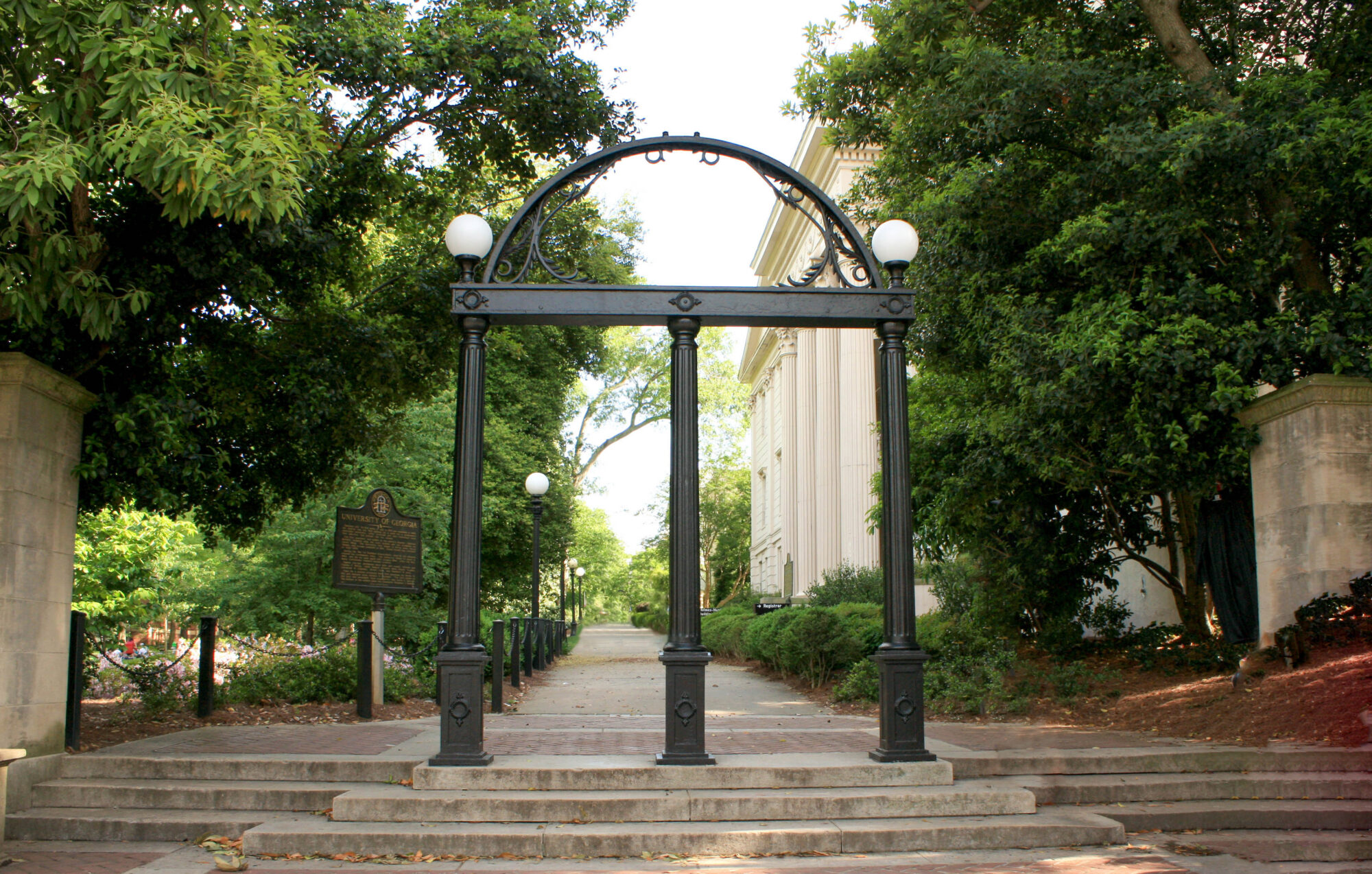
Athens is a college town through and through. With more than 30,000 students attending UGA, the University of Georgia campus stays busy year-round with classes, tailgates, late-night study sessions, and everything in between.
At Athens Oral Surgery Center, we regularly care for Dawgs who need everything from wisdom teeth removal to dental implants and emergency facial trauma treatment. College life creates a unique set of oral health questions, and many students are navigating surgical care on their own for the first time.
Below are some of the most common oral surgery questions we hear from UGA students and their families.
Why Do So Many University of Georgia Students Get Wisdom Teeth Removed?
Wisdom teeth usually erupt between ages 17 and 25, which overlaps almost perfectly with the typical University of Georgia student age range. For many Dawgs, wisdom teeth begin causing problems during the first or second year.
Common issues include:
- Impacted teeth that do not fully erupt
- Swelling or infection around partially erupted molars
- Crowding that affects orthodontic results
- Pain or pressure in the back of the jaw
Even when wisdom teeth are not causing symptoms, they can still pose future risks. Limited space in the jaw makes proper cleaning difficult, which increases the likelihood of decay and gum disease.
Many UGA students choose to schedule removal during:
- Winter break
- Spring break
- Early summer
Planning around the academic calendar allows students to recover at home without missing classes, labs, or game-day traditions.
Can I Go to Class After Wisdom Teeth Removal?
Most students need at least a few days of downtime after their wisdom teeth are removed. Swelling typically peaks around days two and three after surgery. Mild discomfort and jaw stiffness are common during the first week.
For University of Georgia students, the safest approach involves:
- Scheduling surgery at the end of the week
- Avoiding major exams or presentations during recovery
- Resting with the head elevated
- Following all postoperative instructions carefully
If you live in a dorm or off-campus apartment, make sure you have a trusted friend or family member available to drive you home and stay with you for the first several hours after anesthesia.
What If I Have a Dental Emergency on Campus?
Life as a Bulldog can be active. Intramural sports, club athletics, pickup basketball, and even spirited tailgates occasionally lead to dental injuries.
Typical college-related emergencies include:
- Knocked out teeth
- Cracked or fractured teeth
- Facial trauma from falls or collisions
- Broken dental appliances
If a tooth is knocked out, handle it by the crown, gently rinse it if it’s dirty, and attempt to place it back in the socket if possible. If reinsertion is not possible, store the tooth in milk and seek immediate care.
Prompt evaluation significantly improves the chances of saving a natural tooth. Oral and maxillofacial surgeons receive specialized hospital-based training to manage facial injuries and dental trauma, which can be critical in urgent situations.
I Am a UGA Athlete. Does That Change Anything?
UGA athletes often face a higher risk of facial injury. Mouthguards play a significant role in protecting teeth, the jawbone, and soft tissues.
If you experience:
- Jaw pain after impact
- Limited ability to open your mouth
- A shifting bite
- Persistent swelling
You should seek evaluation. Jaw fractures and temporomandibular joint injuries can worsen without proper treatment.
Early diagnosis protects long-term function and allows you to return to practice safely.
What About Jaw Pain From Stress During the Semester?
College stress affects more than sleep patterns. Many University of Georgia students grind or clench their teeth during exams, deadlines, or high-pressure situations.
Teeth grinding, also known as bruxism, can lead to:
- Jaw soreness
- Headaches
- Worn or chipped teeth
- TMJ discomfort
Custom nightguards often relieve symptoms. In more advanced cases involving structural joint damage, further evaluation may be necessary. Addressing symptoms early prevents chronic pain that interferes with concentration and academic performance.
Are Dental Implants an Option for College Students?
Dental implants are not only for older adults. Some UGA students lose teeth due to trauma, congenital absence, or failed previous dental work.
An implant replaces the root of a missing tooth using a titanium post that integrates with the jawbone. After healing, a custom crown restores appearance and function.
Implants offer several advantages for active Bulldogs:
- Stable and fixed in place
- Natural appearance
- Preservation of jawbone structure
- No need to alter adjacent healthy teeth
A consultation determines whether bone volume and overall health support implant placement.
What If I Am Nervous About Surgery?
Anxiety is common, especially for students scheduling surgery without parents nearby. Oral surgeons complete extensive anesthesia training and offer multiple comfort options, including:
- Local anesthesia
- Nitrous oxide
- IV sedation
- General anesthesia
During consultation, you can discuss your concerns, medical history, and preferences. Clear communication helps create a plan that prioritizes both safety and comfort.
Will Insurance Cover My Procedure?
Many University of Georgia students remain on their parents’ medical or dental insurance plans. Coverage varies based on the procedure and policy details.
Our administrative team helps verify benefits, estimate out-of-pocket costs, and explain financial policies before treatment. Planning prevents surprises and allows families to make informed decisions.
How Do I Know If I Should See an Oral Surgeon Instead of a Dentist?
Dentists manage preventive care and many routine treatments. When issues involve impacted teeth, jaw alignment, facial trauma, or complex surgical procedures, an oral and maxillofacial surgeon offers advanced training in both dentistry and medicine.
Dr. Jonathan Tomlinson holds dual degrees in dentistry and medicine and is board-certified by the American Board of Oral and Maxillofacial Surgeons. His background includes hospital-based surgical and anesthesia training, which supports comprehensive care for Bulldogs facing more complex needs.
How Should UGA Students Prepare for a Consultation?
Before your appointment, gather:
- A list of current medications
- Any relevant X-rays
- Insurance information
- Questions about timing, recovery, and class schedules
If you are under 18, a parent or guardian must attend the consultation visit. Otherwise, most University of Georgia students can manage scheduling independently.
Supporting Bulldogs On and Off the Field
Athens Oral Surgery Center has served the local community since 2011. Our mission centers on excellence in surgical care, advanced technology, and personalized attention for every patient. That commitment extends to the thousands of UGA students who call Athens home away from home.
From wisdom tooth removal between semesters to emergency trauma care after a weekend injury, our goal is to restore comfort, protect long-term health, and help you get back to cheering on the Bulldogs as quickly as possible.
Call Athens Oral Surgery Center and Learn How We Can Help You
If you are a University of Georgia student with questions about oral surgery, jaw pain, wisdom teeth, or dental implants, call Athens Oral Surgery Center at 706-549-5033 to schedule a consultation.
Related Articles:
What to Expect After Wisdom Teeth Removal